
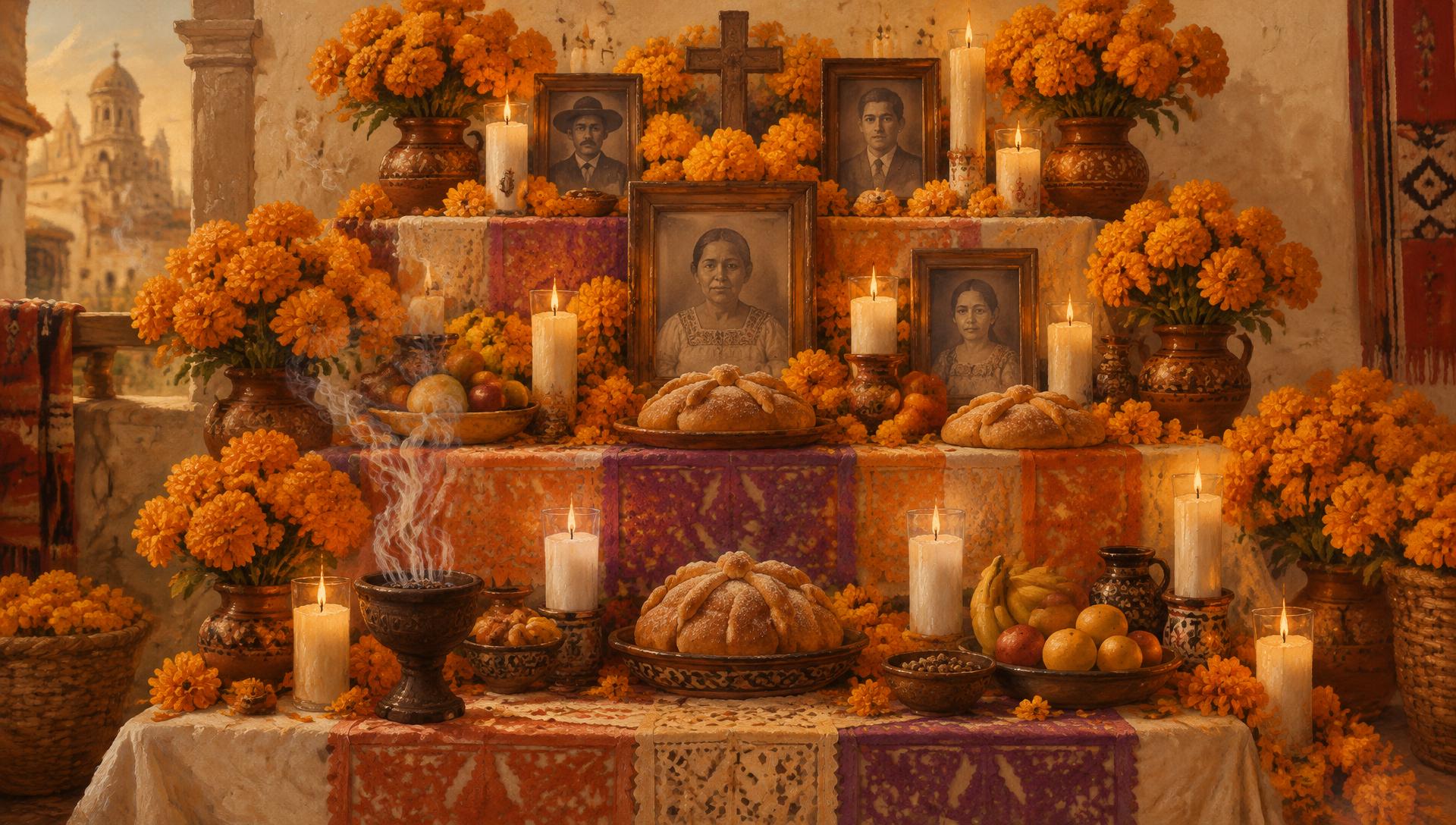
Every year, as October draws to a close, Oaxaca transforms into a place of extraordinary beauty and remembrance. Streets glow with candles, homes fill with the fragrance of marigolds and copal incense, and families prepare to welcome the spirits of loved ones who have passed away.
Known as Día de Muertos, or Day of the Dead, this deeply meaningful celebration is more than a colorful festival. It is an expression of family, identity, memory, and cultural continuity.
In Oaxaca, particularly among Zapotec communities such as Teotitlán del Valle, the celebration reflects traditions passed down through generations.
The Origins of Día de Muertos: A Meeting of Two Worlds
The roots of Día de Muertos reach into the ancient civilizations of Mesoamerica, where death was understood as part of the natural cycle of existence.
Long before the arrival of the Spanish in the 16th century, Indigenous communities practiced rituals honoring deceased ancestors and maintaining connections between the living and the dead.
With Spanish colonization came Catholic observances, including All Saints' Day on November 1 and All Souls' Day on November 2.
Over centuries, Indigenous customs and Catholic traditions interacted, creating the distinctive celebrations recognized today.
Although Día de Muertos is celebrated throughout Mexico, Oaxaca is particularly renowned for the richness and diversity of its regional traditions.
Here, remembrance is expressed through food, flowers, music, family gatherings, and carefully prepared offerings.
Teotitlán del Valle: Where Zapotec Traditions Live On
Nestled in Oaxaca's Central Valleys, approximately 40 minutes from Oaxaca City, Teotitlán del Valle is one of the region's most culturally significant Zapotec communities.
The village is widely known for its weaving heritage, natural dyes, and extraordinary wool textiles. Yet beyond its artistic reputation, Teotitlán is also a place where ancestral customs remain an important part of everyday life.
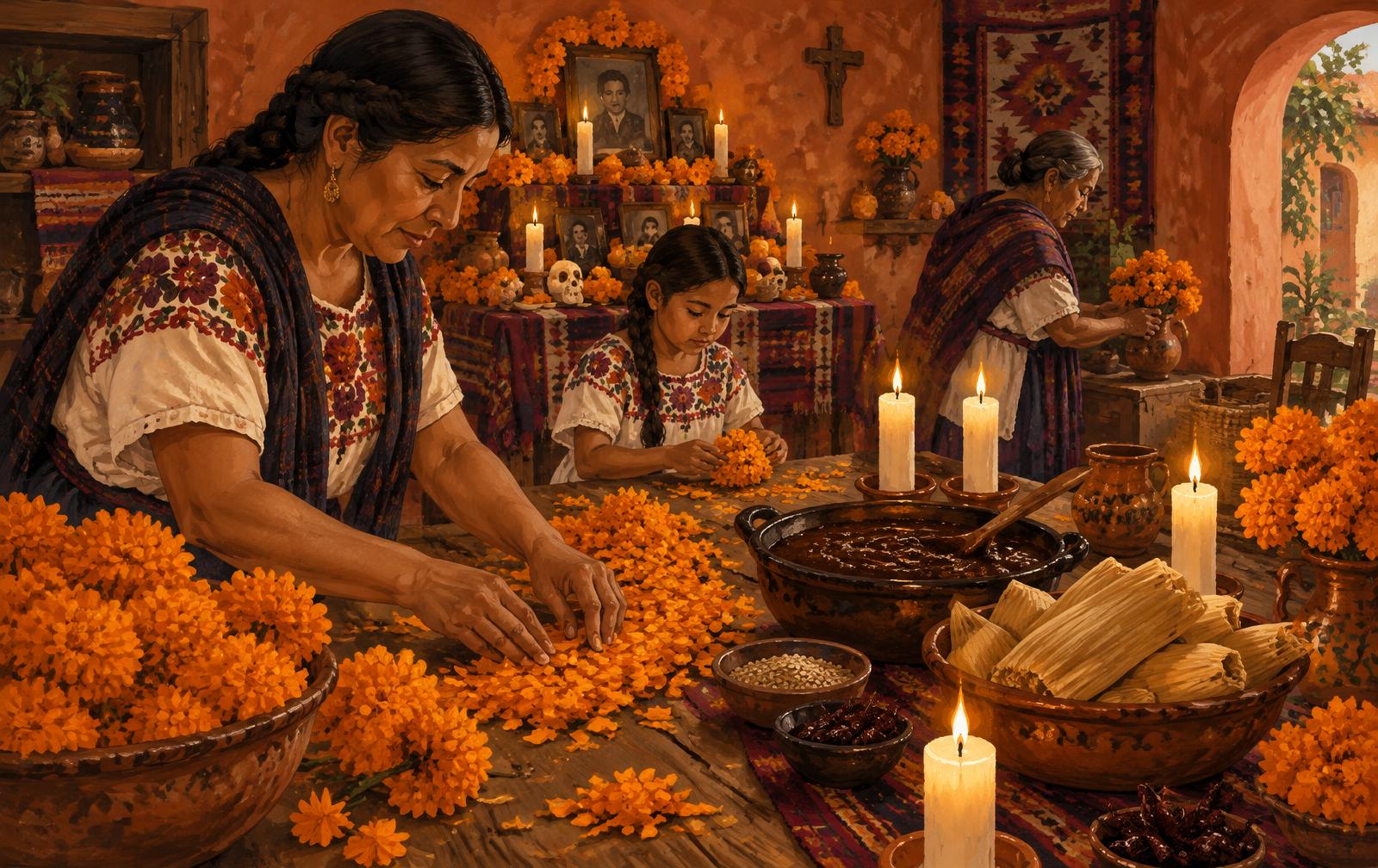
During Día de Muertos, families prepare their homes to receive the souls of deceased relatives.
Traditional offerings may include mole, tamales, chocolate, seasonal fruits, bread, and other foods that their loved ones enjoyed during their lives.
For many families, these preparations are not simply ceremonial. They represent affection, gratitude, and the responsibility of keeping family memories alive.
The celebration brings generations together as grandparents, parents, and children participate in customs that connect them to their ancestors.
According to traditions documented by Mexico's Instituto Nacional de los Pueblos Indígenas (INPI), the days of the celebration often carry their own meaning within Zapotec communities:
- October 31: Families prepare offerings for deceased children, known as angelitos.
- November 1: The traditional welcoming of deceased adults, with offerings that may include mole, tamales, and mezcal.
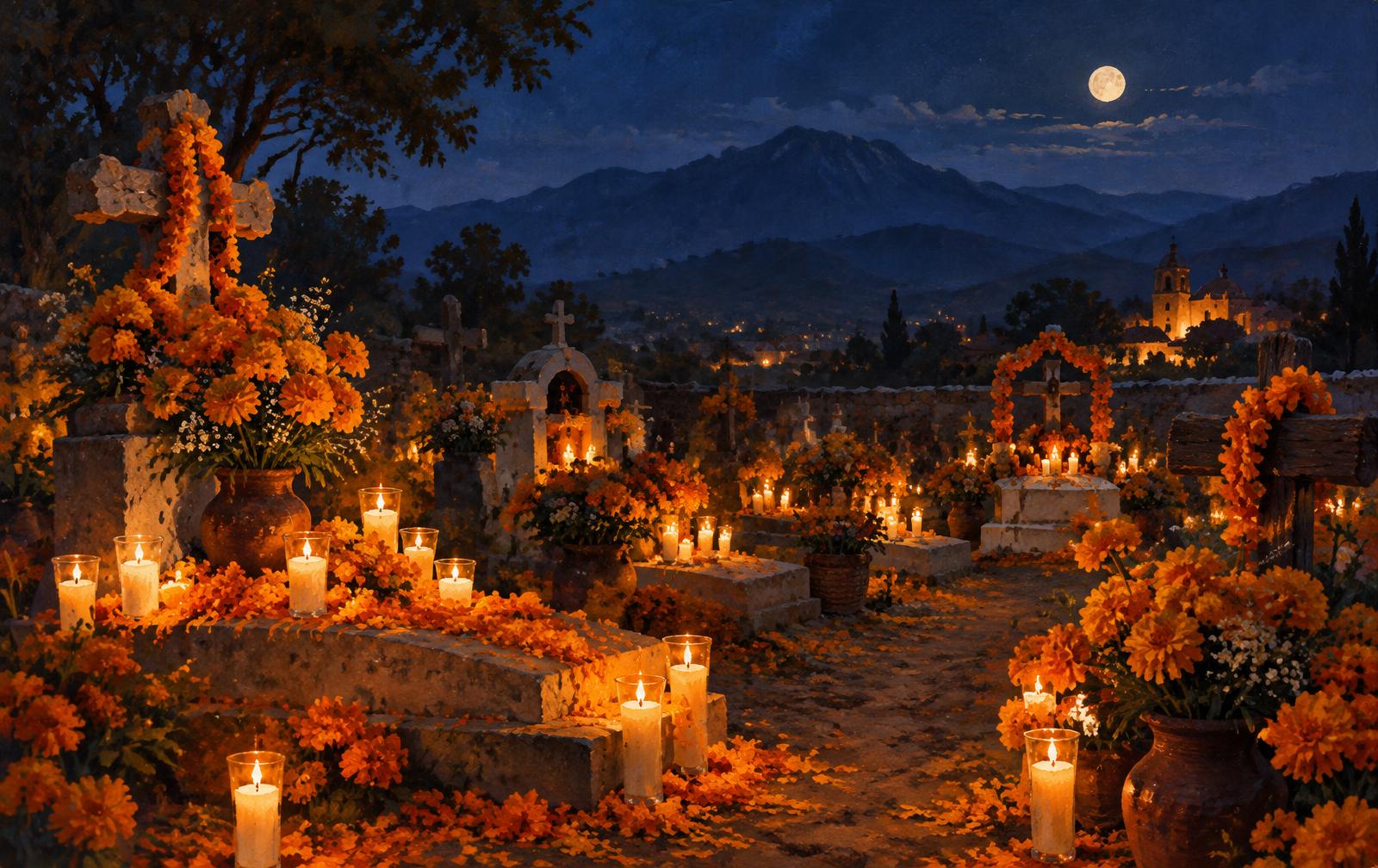
- November 2: Cemetery visits, flowers, remembrance, and farewell customs.
- Throughout the celebration, families and compadres exchange visits and offerings, strengthening the bonds between households.
Customs vary by community and by family, and each household shapes the celebration according to its own memories and traditions.
The Ofrenda: A Welcome Home
At the heart of Día de Muertos is the ofrenda, a carefully arranged offering prepared to honor deceased family members.
Each element carries cultural or personal meaning.
- Cempasúchil (marigolds): Their vibrant orange and golden petals are traditionally used to create welcoming paths and decorate offerings.
- Candles: Their light symbolizes guidance, remembrance, and the presence of loved ones.
- Copal incense: Its aromatic smoke is used in traditional ceremonies and is associated with purification and spiritual connection.
- Food and drink: Favorite meals and beverages honor the tastes, personalities, and memories of deceased relatives.
- Photographs and personal belongings: These help families remember the individuals being honored.
- Pan de muerto: A special bread associated with the season, with recipes and customs varying by region.
No two family offerings are exactly alike.
Each altar tells a personal story, reflecting the traditions, memories, and experiences of the family that creates it.
A Celebration That Begins at Home
While visitors often associate Día de Muertos with elaborate public displays and cemetery gatherings, many of Oaxaca's most meaningful traditions take place inside family homes.
Preparing food, arranging flowers, lighting candles, and sharing stories are all acts of remembrance.
Children learn the names of relatives they may never have met. Parents share memories of grandparents. Recipes are prepared using techniques taught by earlier generations.
Through these moments, family history becomes something that is experienced rather than simply remembered.
The celebration reminds us that cultural heritage survives through participation, not merely preservation.
The Art of Remembering: A Connection to Oaxaca's Weaving Heritage
In Teotitlán del Valle, the preservation of tradition extends beyond Día de Muertos.
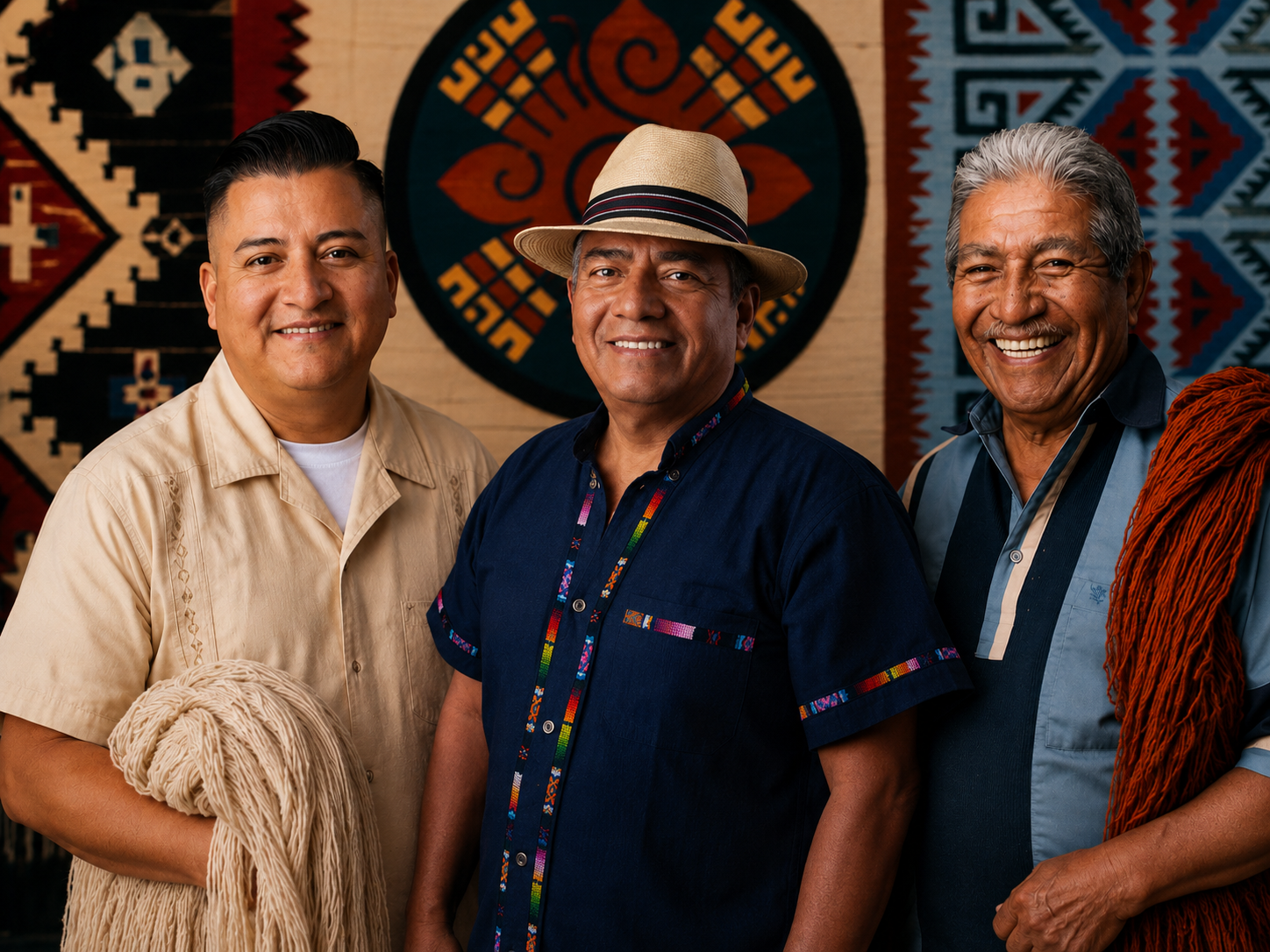
For generations, Zapotec weaving families have passed down knowledge of wool preparation, natural dyeing, loom techniques, and artistic symbolism.
Just as recipes and family customs are shared during Día de Muertos, weaving techniques are taught from one generation to the next.
The two traditions express a common value: honoring the past by carrying its knowledge into the future.
At Nisaya, this connection is especially meaningful.
Our textiles are created in collaboration with artisans from Teotitlán del Valle, where weaving is more than a craft. It is a living expression of family heritage, cultural identity, and artistic knowledge.
Each handwoven piece represents hours of skilled work and generations of accumulated experience.
Like the traditions surrounding Día de Muertos, these textiles remind us that heritage is not something left behind. It continues to evolve through the people who keep it alive.
To go deeper, read the story of Teotitlán del Valle's weaving tradition, visit the family workshop, or browse the handwoven collection.
Why Día de Muertos Matters Today
In an increasingly connected and rapidly changing world, Día de Muertos offers an important reminder of the value of family, identity, and belonging.
It encourages people to remember where they come from and recognize the individuals whose lives helped shape their own.
For communities across Oaxaca, the celebration also provides an opportunity to preserve Indigenous languages, traditional foods, local customs, and artistic practices.
Although public celebrations attract visitors from around the world, the heart of Día de Muertos remains deeply personal.
It belongs to the families who prepare the offerings, share the stories, and keep their traditions alive.
A Living Legacy, Woven in Oaxaca
Día de Muertos teaches us that remembrance is not limited to photographs, monuments, or history books.
It lives in the meals families prepare, the stories they tell, the customs they practice, and the knowledge they pass to the next generation.
In Oaxaca, this living legacy can be found in a candlelit offering, a family gathering, or the rhythmic movement of a weaving loom.
Different expressions of heritage, united by the same enduring idea:
What we preserve today becomes the legacy we leave tomorrow.
At Nisaya, we believe traditions survive through the hands and hearts of those who preserve them. From the family offerings of Día de Muertos to the weaving looms of Teotitlán del Valle, Oaxaca's cultural heritage continues to inspire every generation.
Enjoyed this story?